
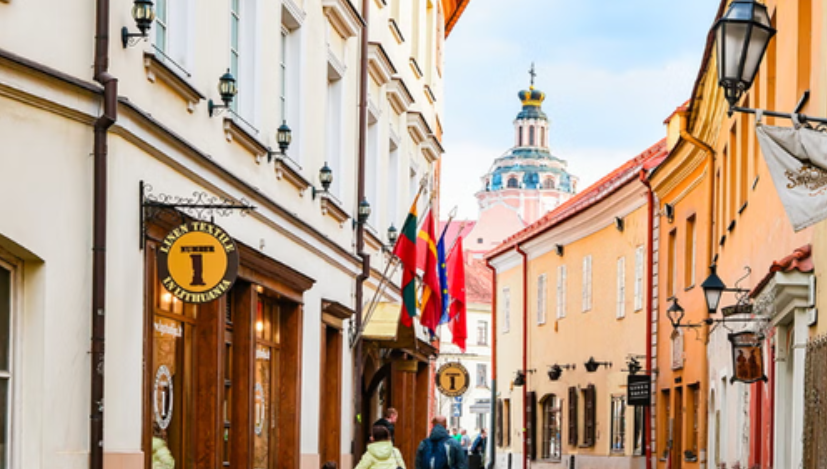
Europe has long been one of the most popular travel destinations in the world, attracting millions of visitors each year with its rich history, diverse cultures, stunning architecture, and vibrant culinary scenes. However, the cost of traveling across European cities can vary dramatically. According to the Post Office’s “City Costs Barometer” report, the Lithuanian capital, Vilnius, has officially been crowned the cheapest holiday destination in Europe.
The report reveals that a two-night weekend stay in a three-star hotel in Vilnius, combined with spending on dinner, wine, and visits to art galleries, costs just £147.35. Even more impressively, this figure represents an 11% decrease compared to the previous year, making the city even more attractive for budget-conscious travelers. For tourists seeking a cultural escape without overspending, Vilnius offers an unbeatable combination of affordability and charm.
Vilnius is renowned for its picturesque Old Town, one of the largest preserved medieval old towns in Europe and a UNESCO World Heritage Site. Visitors can wander through cobblestone streets, explore baroque churches, enjoy cozy cafés, and experience a relaxed yet vibrant atmosphere. Despite its affordability, the city does not compromise on quality—restaurants serve excellent local and international cuisine, museums are accessible, and accommodation standards remain high.
Following Vilnius on the list of cheapest European cities are Belgrade, Warsaw, Istanbul, and Bucharest. Each of these destinations offers its own unique cultural experience while remaining affordable for travelers.
Belgrade, the capital of Serbia, is known for its lively nightlife and strategic position at the confluence of the Danube and Sava rivers. The city combines historical fortresses with modern entertainment, making it an exciting option for younger travelers and culture enthusiasts alike.
Warsaw, Poland’s capital, stands as a testament to resilience and reconstruction. After being largely destroyed during World War II, the city was meticulously rebuilt and now blends historical architecture with modern skyscrapers. Affordable dining and accommodation make it particularly appealing for weekend trips.
Istanbul, uniquely positioned between Europe and Asia, offers a fascinating mix of cultures, cuisines, and architectural wonders. From grand mosques to bustling bazaars, visitors can immerse themselves in centuries of history while benefiting from relatively low travel costs compared to Western Europe.
Bucharest, Romania’s capital, is another rising destination known for its wide boulevards, Belle Époque architecture, and vibrant café culture. Often referred to as “Little Paris,” Bucharest offers elegance and affordability in equal measure.
Other cities listed among the cheapest European destinations include Porto, Riga, Bratislava, Moscow, and Prague. These cities offer travelers a chance to explore historic streets, vibrant markets, and cultural landmarks without the high price tags found in Western European capitals.
On the opposite end of the spectrum, some European cities remain significantly more expensive for tourists. The most costly destination according to the report is Reykjavik. Iceland’s capital is famous for its dramatic landscapes, geothermal spas, and proximity to natural wonders such as volcanoes and glaciers. However, high living costs are reflected in accommodation, dining, and entertainment prices.
Other expensive cities include Amsterdam, Oslo, Helsinki, and Copenhagen. Northern European capitals, in particular, tend to have higher prices due to strong economies and higher standards of living.
Additionally, cities such as Zurich, Stockholm, Dublin, London, and Bruges also rank among Europe’s most expensive destinations. While these cities offer world-class attractions, iconic landmarks, and exceptional quality of life, visitors should expect to pay premium prices for accommodation and dining.
The contrast between Eastern and Western Europe remains noticeable in travel costs. Eastern European cities continue to provide exceptional value for money, combining rich history and cultural depth with affordable prices. Meanwhile, Western and Northern European cities, although more expensive, offer their own distinctive charm and globally recognized attractions.
For travelers planning a European getaway, this ranking highlights the importance of researching destinations carefully. Whether seeking a budget-friendly cultural weekend or a luxury escape in one of Europe’s most exclusive capitals, options are plentiful across the continent.
In a time when travel budgets are becoming increasingly important, cities like Vilnius demonstrate that unforgettable European experiences do not necessarily require extravagant spending. With careful planning, visitors can enjoy history, gastronomy, art, and vibrant city life—without breaking the bank.