
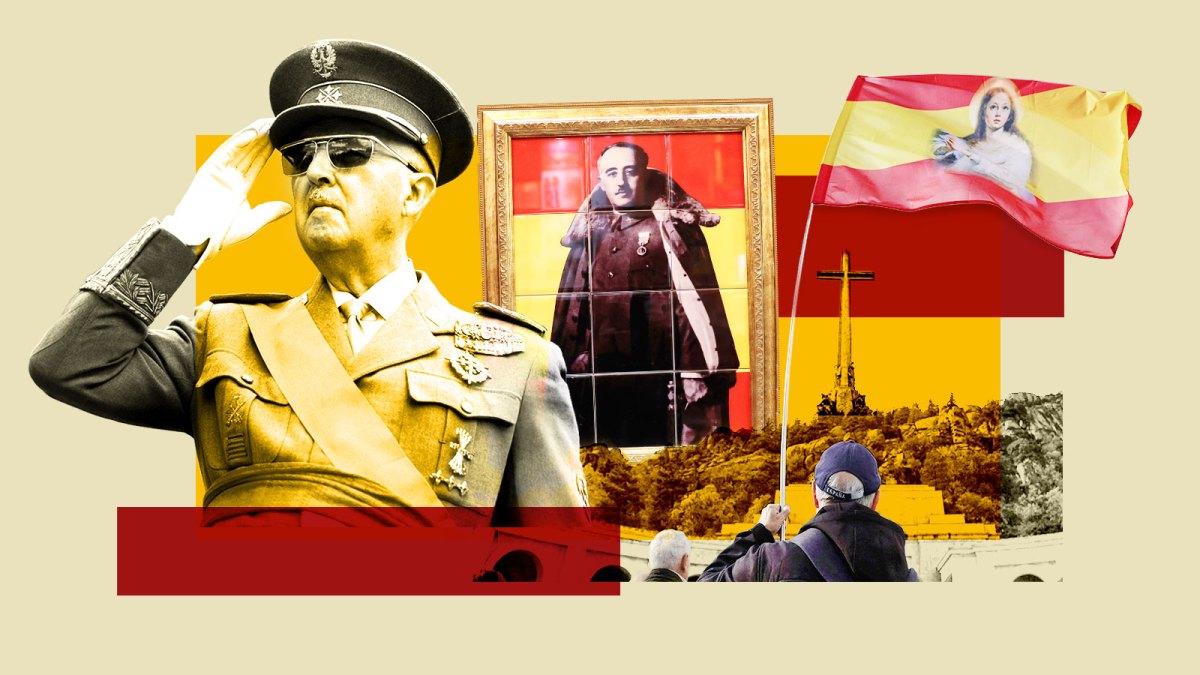
Five decades have passed since Francisco Franco’s dictatorship ended after his death, but even today some idealize his regime.
The remains of dozens of victims of Franco’s dictatorship have recently been found in Granada, including Marina Roldán’s grandfather, Fermin Roldán García. His body was identified this summer, ending a decades-long wait. It was found in a ravine in the village of Víznar, just a few kilometers from Granada.
Fermin Roldán García was among the thousands killed during the Franco dictatorship (1939–1975). He was a tax inspector, trade unionist and member of the Socialist Party, and had even run for parliament in the February 1936 elections. Marina, recalling the moment she received the news, says her mind immediately went to her father, who had been only 10 months old when his father was executed at the age of 41.
50 years since the end of the dictatorship
Spain marked the 50th anniversary of the end of the dictatorship on Thursday. However, a frightening nostalgia is being observed among young people for a regime they did not experience.
Franco’s photo still stands in symbolic spaces of sympathetic organizations, while some young people speak with admiration for the dictatorship, fueled by social media content. According to high school teachers, many teenagers take up far-right narratives from TikTok, disillusioned by today’s difficult living conditions, such as unemployment or the housing crisis.